The “Responsibility” of a Sequel- Are Gamers Expectations Unrealistic?
Metroid Prime 4: Beyond. Silent Hill f. Little Nightmares 3. Borderlands 4. Ghost of Yotei.
Like most recent years, 2025 was absolutely no stranger to sequels of beloved video games. I found myself mostly content with this years offerings, but I also can’t help but feel like this was a peculiar year for game stickiness. By “stickiness” I simply mean how long a game remains in the regular conversation of gamers. Even though Elden Ring released three years ago, I still can’t go a single week without hearing about it via social media or my friend groups. Cyberpunk 2077 released five years ago, and it feels just as relevant as when it first launched (perhaps even more relevant due to its infamous launch issues).
But when I think of games like Death Stranding 2, Doom: The Dark Ages, and Ghost of Yotei; it honestly feels like they’ve slipped through gamers hands like grains of sand. Not because those games are unimpressive or not fun, but because of shifting attitudes and expectations towards what games deserve their time.
For this point, I’d like to use three examples:
Silent Hill f. Little Nightmares 3. Metroid Prime 4.
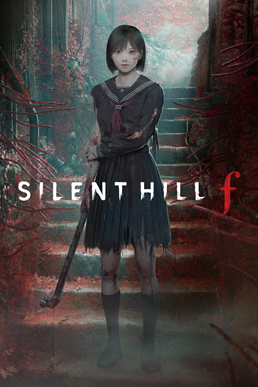
Silent Hill f stands at a very respectable 86 on Metacritic. Most reviewers had plenty of positive things to sing about the game. As a huge Silent Hill fan, this was easily my most anticipated game of 2025.
But from its very launch day, the Silent Hill subreddit and other Silent Hill online communities were tearing the game to shreds. It seems like the lasting legacy of Silent Hill f will be its story and themes, which I can’t deny are fantastic, albeit a bit annoying to see fully through (requiring multiple playthroughs).
I’m a big believer that after two or three entries a game series begins to form an identity. I do believe its important for developers to adhere to that identity and not stray too far away from it. I phrase it like this:
Iterate but don’t deviate.
For example, while I don’t particularly enjoy the heavy menu usage thanks to the new hunger and injury system in Metal Gear Solid 3, it still feels like a Metal Gear Solid game to me. But once we get to Metal Gear Solid 5 with its open world, sandbox mechanics, mission structure and base-building features- it doesn’t feel like Metal Gear Solid anymore. It deviated from the identity of the series. Of course I’m not saying MGS5 is a bad game (it’s clearly not).
I think in terms of story, themes, atmosphere and music; Silent Hill f doesn’t deviate from the series’ identity. I remember smiling so much while exploring the corrupted Ebisugaoka. But it’s mechanically where it does. Perfect-dodging, weapon durability, RPG-like upgrades, item management, and only 2-3 proper Silent Hill dungeons. It dropped the ball in all those regards.
It’s sad to say that the Silent Hill franchise still can’t escape the massive shadow cast by its first three entires.
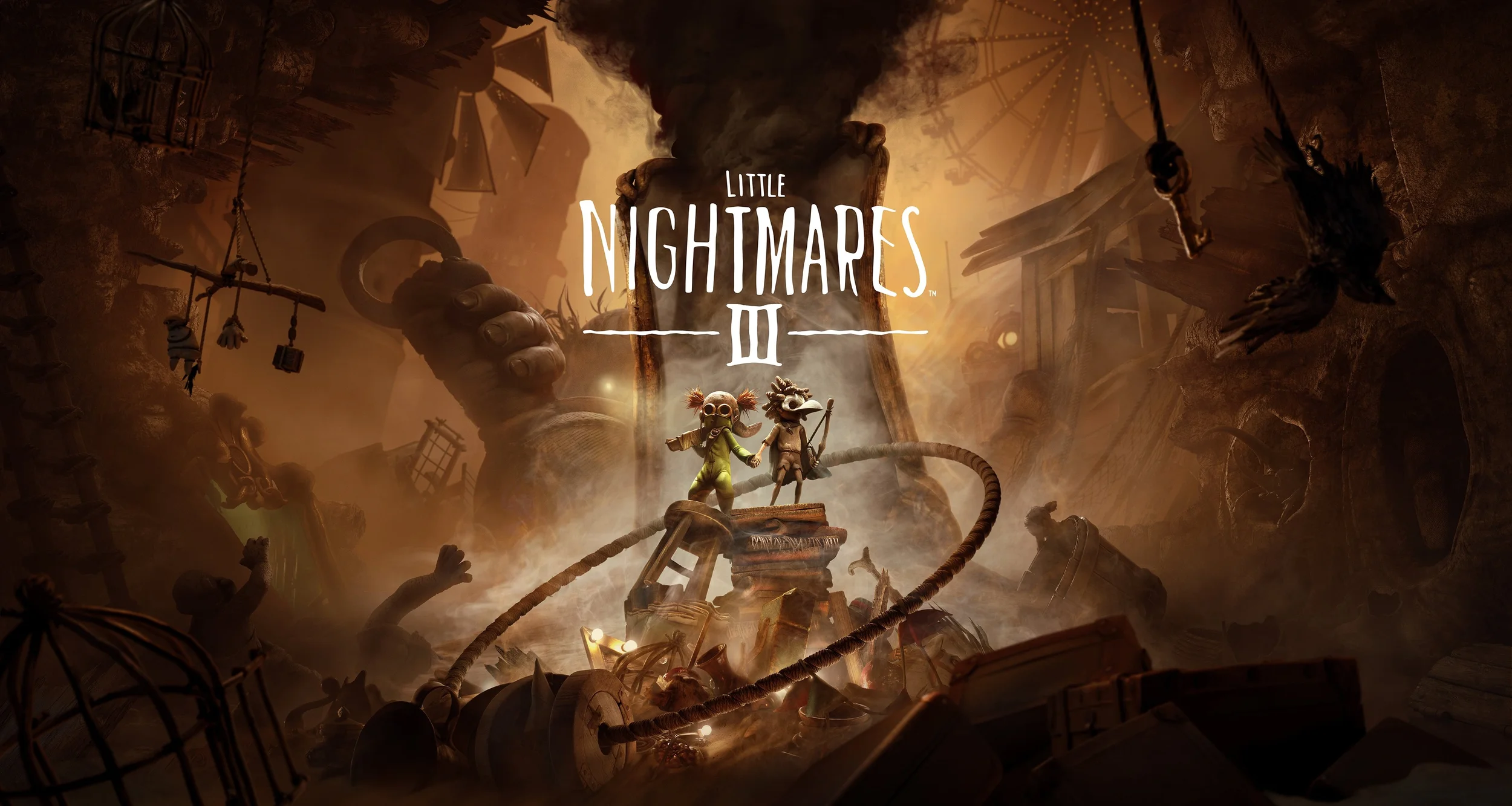
As a big fan of the first two entries, I was pretty nervous about Little Nightmares 3. While it’s not a golden rule; usually when the original developer of a beloved series leaves- it spells trouble. And Supermassive Games isn’t a developer that sparks much faith in me.
Luckily, thanks to an awesome friend of mine, I was able to play through Little Nightmares 3 with him. Oddly enough, Little Nightmares 3 is a shining example of what happens when a developer is too afraid to experiment and adheres a bit too much to series identity. Throughout our playthrough, my friend and I kept waiting for that next “whoa” moment. There were little nuggets of potential and intrigue. Creepy characters and interesting mechanics like a parachute and reality-shifting doll would appear. But these mechanics and characters are discarded incredibly fast. This might be a bit too harsh of a statement; but it feels like if I asked AI to make me a Little Nightmares game based off the the first two. I just needed a little more experimentation and risk.
I brought up the hunger and injury mechanics in MGS3. While I don’t like them, they are pretty minuscule in the grand scheme of things, and I can appreciate the effort to spice things up. MGS2 on the other hand added new ideas I found crucial to my enjoyment, like the ability to shoot enemies in first-person, cartwheeling for a quick escape, having to activate your Soliton radar via a terminal before using it. Of course these are all a matter of personal preference. What works for me won’t work for others. But I find that Little Nightmares 3 didn’t really try hard enough to do something like this.
The game is built around two protagonists working together. Other than a few instances of “Okay I’ll shoot this and then you hit it with your melee weapon”, the game barely flirts with the idea of co-op mechanics.
And much like with Silent Hill f, gamers tore this game to shreds within a matter of hours in its release. So I have to ask- are gamers expectations getting unrealistic?
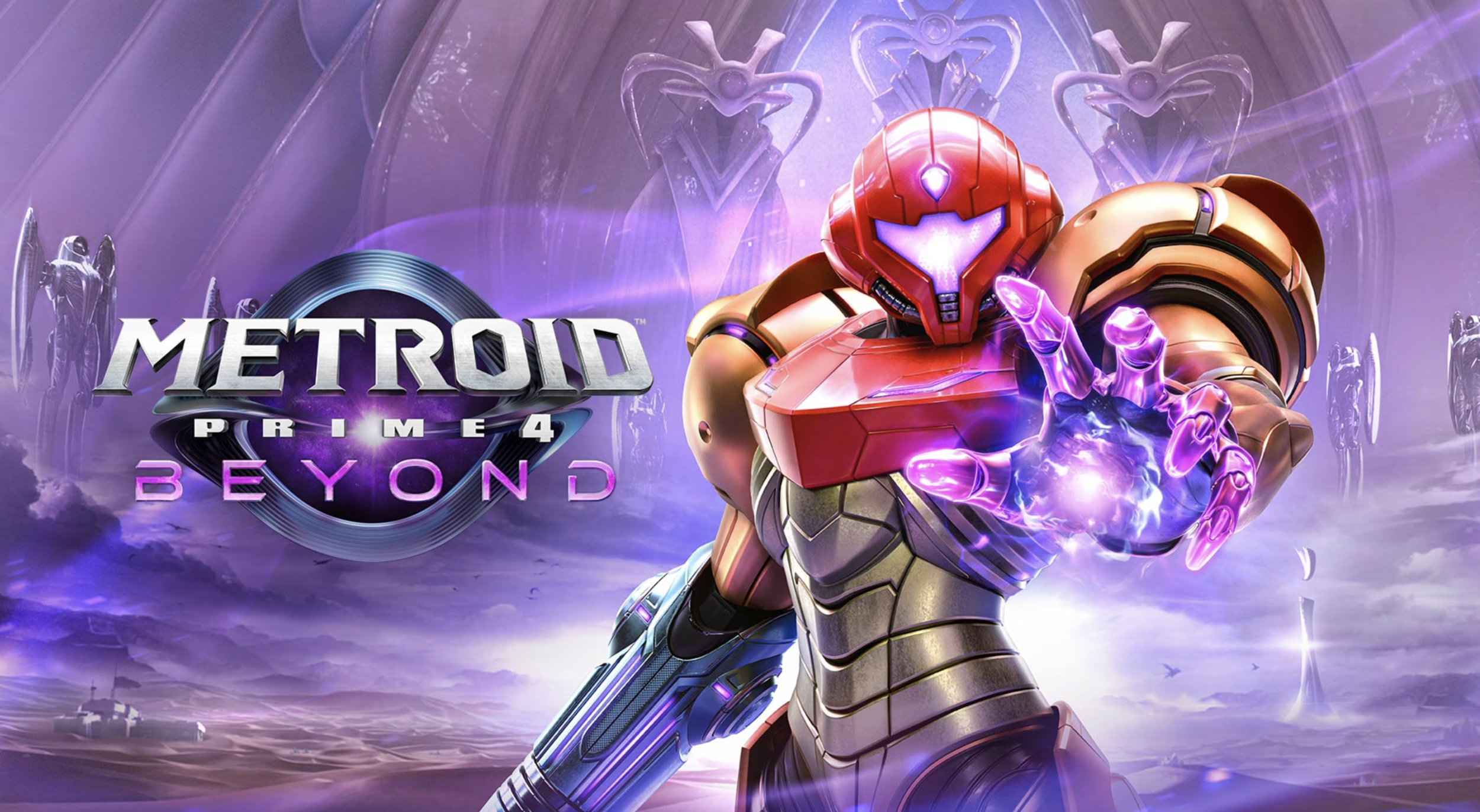
I have a lot to say about Metroid Prime 4: Beyond. Perhaps too much for this single write up. I remember seeing the open world desert reveal during a Nintendo Direct and thinking to myself “No fucking way” and borderline laughing.
Unfortunately for Retro Studios, Metroid Prime 4 had the shadow of an 18 year long wait hanging over it. Of course, that’s only if you look at it through the lens of expecting a sequel right after a game releases. If that’s the case, then it’s already been three weeks without Metroid Prime 5! Retro Studios were busy making two of the greatest 2D platformers of all time with Donkey Kong Country Returns and Tropical Freeze. And Retro wasn’t even assigned to Prime 4 originally.
Well, many years passed and the gaming landscape changed vastly. In the time between Metroid Prime 3 and 4, Grand Theft Auto went from being seen as a predominately single-player series to a borderline MMO thanks to GTA V’s online mode. Free-to-play games began to top charts constantly. Hero shooters, battle royales, and extraction shooters took over gamers minds. And in terms of single-player games- open world level design became king. And right when open world fatigue started to set in, Nintendo reinvigorated the genre with 2017’s The Legend of Zelda: Breath of the Wild.
In 2019, Metroid Prime 4 restarted its development with Retro Studios in control. Many people including myself can’t shake this idea that the open world desert comes from a desire to capture gamers hearts the same way Breath of the Wild did.
Prime 4 reminds me of Silent Hill f because in some ways, it does adhere to its series’ identity. The atmosphere feels similar. As do the base mechanics.
But there’s other touches that just feel wrong. I’m five hours into the game and I can count the amount of times I’ve been presented with more than one path forward on one hand. That’s not a metroidvania (ya know, the genre named after this very same series!) Not to mention the Marvel-esque dialogue that feels fresh out of 2014 (yes I know that’s not a unique criticism, but it’s still true.) There’s times where I feel like I’m playing a pre-Breath of the Wild Zelda game.
Is it a bad video game? Not even close. Is it a bad Metroid game? Well…I could see the argument for that.
Summary:
With rough economic realities seemingly going nowhere, I understand gamers being pickier than ever. Forking over between $60-$80 can be hard for many people, myself included. But I do wonder if we’re seeing gamers splitting hairs a bit too much when it comes to game design, playtime, and innovation. It’s getting harder and harder for sequels to feel like the next step forward. Some (me) would argue that we hardly see any truly innovative games anymore; perhaps once or twice a console generation. So what’s better when you’re assigned with a sequel? Sticking too close to player expectations without experimentation a la Little Nightmares 3 and Ghost of Yotei? Experimenting with mechanics never seen before in your series like Silent Hill f? Or trying design seen in other genres like Metroid Prime 4? It’s hard to say.
-
Thank you for reading. If you’d like to see my video content, here is the link.