What Even is Video Game Ownership Anymore?
Last year I was quite excited for Doom: The Dark Ages. I was ready to buy a physical copy of the game for PlayStation 5. And then I found out that the “physical” edition contains about 80 megabytes of data, forcing players to download the rest of the game from the internet.
Here we are a year later, and I am about an hour into the Dragon Quest VII Reimagined demo. Yesterday I went on Amazon excited to pre-order a physical copy of the game for Switch 2. To my dismay, the “physical” Switch 2 version is a Game Key Card. Game Key Cards are essentially what Microsoft has been doing for years including Doom: The Dark Ages. They act as a sort of halfway point between a physical copy and a digital copy. It is a physical way of telling your console to download the game, but you still need the disc/cartridge in your system to play the downloaded game! There’s certain perks like being able to lend the game to a friend or trade it in for store credit, but overall it’s not optimal.
I’m finally starting to get tired of being put in this position.
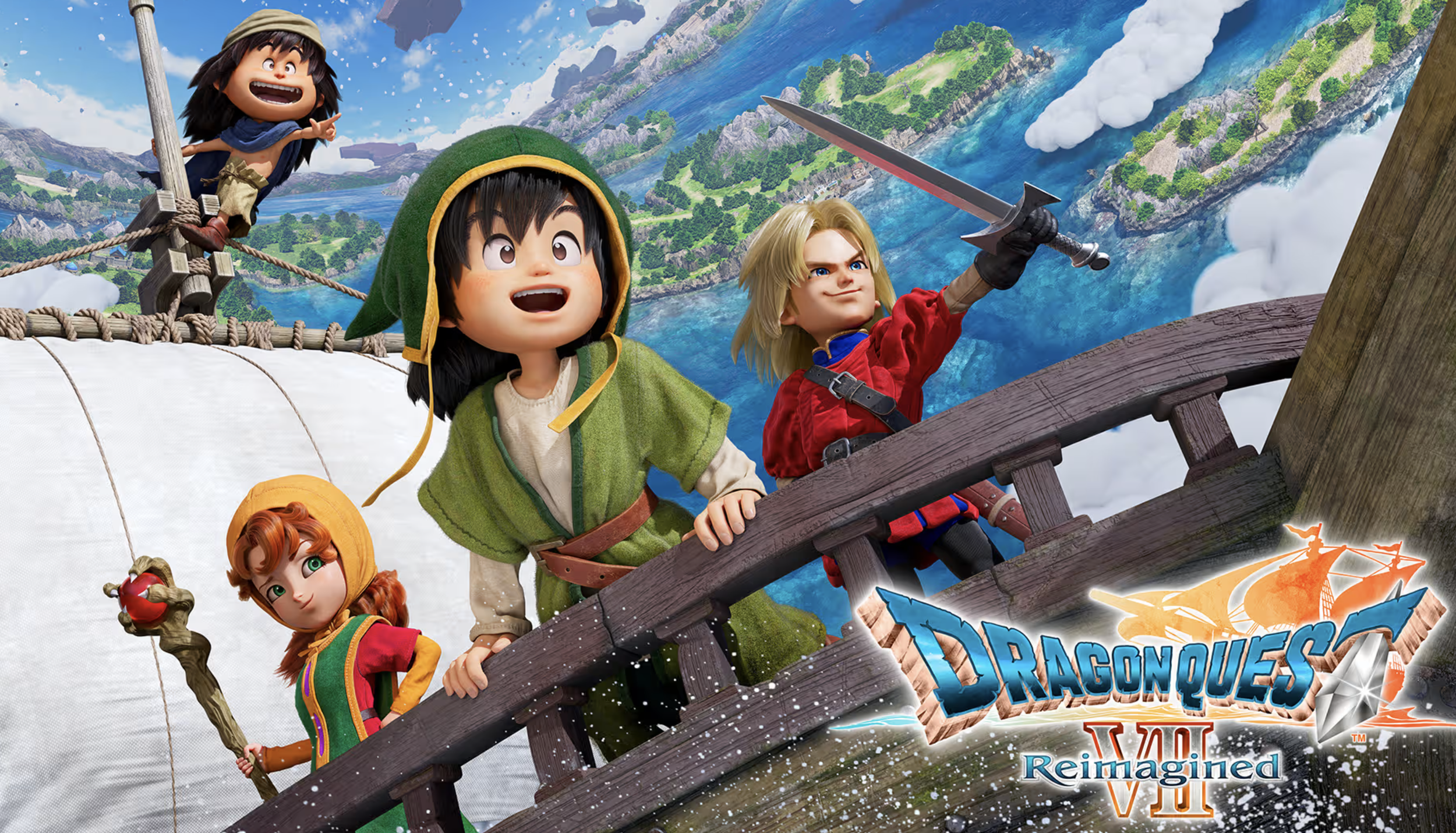
Back in my late teens and early twenties, I sought out a physical copy for every game I wanted. But over the past few years I’ve embraced digital games far more. It’s just too convenient to swap from game to game without having to pop the disc out of my system and replace it. Plus, as somebody who owns an already massive video game and manga collection, I don’t want to overrun my home with even more stuff. My personal rule is, if I buy a game digitally and truly adore it (a game I could see entering my top 50 favorite games) I seek out a physical copy. It’s a more expensive way to go about things, but it doesn’t happen as often as you may think.
There are certain series like Dragon Quest, The Legend of Zelda, Final Fantasy, and Mega Man where I like to own the physical copies of games. Now to be fair, the physical copies for DQVII Reimagined on other systems seem to be true physical versions with the full game on disc. But it still sucks for people in my situation; Dragon Quest games feel great both portably and on big televisions.
It’s just left me wondering where gaming will be in a decade from now. It’s already been painfully obvious that physical game advocates are the minority of gamers. Apparently in 2024, only 3% of PlayStation first-party game sales were physical copies.
The main fear of digital games is the customer having no true ownership over the product they paid for. Theoretically, you only own the digital game for as long as the company’s servers are running. So if Nintendo somehow went bankrupt and shut down, you’d lose your games. Same thing if say your account on Steam gets banned.
The most frustrating thing about this conversation is that it can technically go on forever. Everybody on both sides has a counter argument for every possible point. Fundamentally speaking, it is kind of bizarre that people are so okay with paying for something they don’t truly own. But on the other hand, the anti-digital fear is largely based in worst case scenario thought processes. Is it likely that PlayStation and Nintendo will shut down? No, not really. Is it likely any of us will be in a longterm situation without any internet access to download our games ever again? No, not really. Maybe this is just optimism, but it really seems like all the big console manufactures have unified their marketplaces and account systems to live in perpetuity. Sony almost shut down the PS3 storefront and makes it incredibly obtuse to buy things from it. And yet, every time they bring a game from the PS3 storefront to the PS5 storefront, I get it for free because I already bought it.
I know I’m rambling. It’s just so strange to me that the biggest entertainment industry offers almost no real simple way of buying and owning its products.
So to answer my own question:
“What even is video game ownership anymore?”
Near history.